


We are all familiar with the concept of advertising, but sometimes we find it difficult to provide a precise and comprehensive definition of it. Over the years, advertising has undergone significant transformations, from print media to digital platforms, but the need for effective advertising by individuals and businesses has remained constant.
In this article, we will explore the concept of advertising, its goals, the difference between advertising and marketing, and how to design advertising strategies.
What is Advertising?
Advertising is the act of informing, delivering a message, promoting, and spreading awareness of a product, service, or brand. In fact, every business needs advertising to become recognized and attract an audience. The main goal of advertising is to capture the attention of customers and increase sales or support for the brand.
Advertising in English is the equivalent of this term, often abbreviated as Ads.

Advertising Goals
Advertising can generally achieve several major goals:
Creating Competition
Effective advertising helps your brand stand out from competitors and establish a stronger position in the minds of the audience.
Introducing a Product or Service
The first step in the marketing cycle is introducing the product or service to the audience. Through advertising, new customers can become aware of the existence of your products or services, and your brand will stay more prominent in their minds.
Creating Demand
Advertising not only introduces your product or service but also creates a sense of need for the audience to purchase it. Effective advertising strategies can increase the demand for your products and services in the market.
Branding
Advertising can effectively play a role in branding a business. Branding ensures that your brand stays in the minds of the audience and becomes more recognizable.

What is the Difference Between Advertising and Marketing?
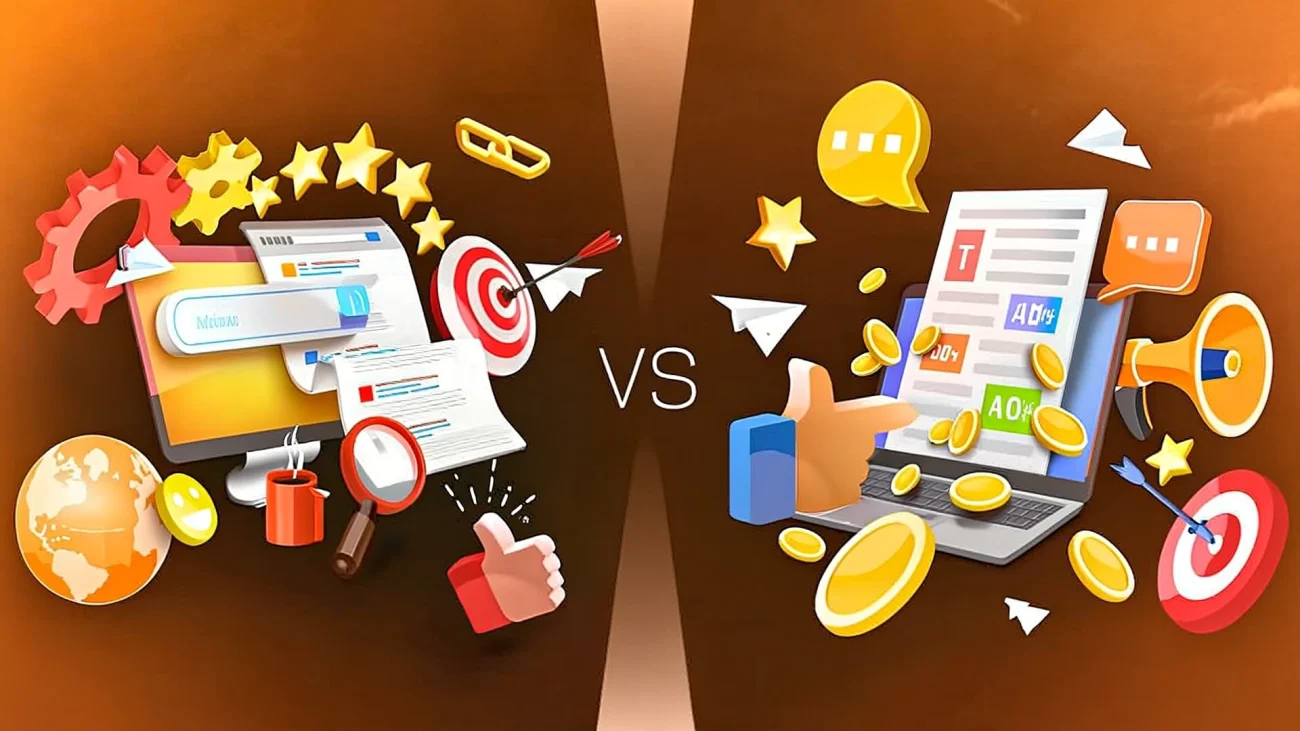
Many people consider advertising and marketing to have similar meanings, but there are fundamental differences between the two. While marketing involves research, strategy, and planning to attract customers and increase brand awareness, advertising is a small part of marketing that focuses on delivering specific messages to the audience to encourage customers to purchase or engage with the brand.
In other words:
Advertising: A specific tool or tactic used to communicate with customers and encourage them to take a particular action (such as making a purchase).
Marketing: A comprehensive process that generally includes all efforts to create and maintain relationships with customers.
Effective Advertising Strategies
To design an effective and successful advertising strategy, businesses should follow these steps:
Planning for Advertising
Careful planning for advertising is the first step in designing advertising campaigns. The following points should be considered when planning an advertising campaign:
- Campaign Goals: What do you want to achieve with your advertisements?
- Target Audience: Which group of people do you want to target?
- Budget: How much budget do you allocate for the advertising campaign?
- Advertising Strategy: Which channels (TV, radio, internet) will you use for advertising?
- Campaign Timing: What is the best time to run your ads?
Defining Advertising Goals
Before starting any advertising campaign, clear goals must be defined. For example:
- Increase sales
- Brand awareness
- Attract new customers
- Introduce new products and services
Defining goals helps you know where to focus your advertising efforts.
Researching Competitors and Audiences
Researching market competitors and understanding audience needs will help you design more effective advertising campaigns. A deep understanding of your target market ensures that your ads reach the right audience more accurately.
Choosing the Right Strategy
Your advertising strategy should align with your business goals. Some of the strategies include:
- Media Advertising (TV, radio, print)
- Digital Advertising (SEO, PPC ads, email marketing)
- Social Media Advertising
Each of these strategies is suitable for attracting specific audiences and should be chosen based on the target audience.
Evaluating Campaign Results
After running advertising campaigns, you should evaluate their results. Use Key Performance Indicators (KPIs) to measure the success of the campaign and make necessary improvements.

The Importance of Advertising for Business
Advertising is one of the main tools for making your audience aware of your brand and products. By designing effective advertising strategies, you can make your brand memorable in the minds of customers, increase your sales, and succeed in the market competition.
The Mediafi team, leveraging experience and expertise in designing advertising strategies, helps businesses achieve successful sales growth and branding through online and digital advertising. If you’re looking for innovative solutions for targeted advertising and expanding your business, join Mediafi.